Berberine for Weight Loss: The Natural Metformin Alternative

Weight loss has become one of the most challenging health goals for millions of people worldwide. Despite countless diet programs, exercise regimens, and weight loss supplements flooding the market, sustainable weight loss remains elusive for many. The problem often lies not in willpower or motivation, but in addressing the underlying metabolic dysfunction that makes weight loss difficult and weight regain almost inevitable.
Enter berberine, a golden-colored compound that has been quietly revolutionizing the approach to natural weight loss and metabolic health. Often called "nature's metformin," berberine has shown remarkable ability to support healthy weight loss through mechanisms that address the root causes of weight gain rather than just suppressing symptoms. Unlike quick-fix solutions that often fail long-term, berberine works by optimizing the fundamental metabolic processes that control how your body stores and burns fat.
This comprehensive guide explores how berberine can become your most powerful ally in achieving sustainable weight loss, backed by extensive scientific research and practical implementation strategies that work in the real world.
Understanding the Weight Loss Challenge
Why Traditional Weight Loss Approaches Often Fail
The weight loss industry generates billions of dollars annually, yet obesity rates continue to climb worldwide. This paradox exists because most weight loss approaches focus on calories in versus calories out without addressing the underlying metabolic dysfunction that makes weight loss difficult to achieve and maintain.
The Calorie Myth Limitations
While caloric balance is important, it's not the complete picture:
- Hormonal influences: Hormones like insulin, leptin, and cortisol significantly impact how calories are processed
- Metabolic adaptation: The body adapts to calorie restriction by slowing metabolism
- Individual variation: People respond differently to the same caloric intake due to genetic and metabolic factors
- Food quality matters: 100 calories of sugar affects the body very differently than 100 calories of protein
The Insulin Resistance Connection
Many people struggling with weight have underlying insulin resistance, which makes traditional weight loss approaches ineffective:
- Impaired fat burning: High insulin levels prevent the body from accessing stored fat for energy
- Increased fat storage: Insulin promotes fat storage, especially around the midsection
- Constant hunger: Insulin resistance disrupts hunger and satiety signals
- Energy crashes: Poor glucose regulation leads to energy instability and cravings
The Metabolic Dysfunction Cycle
Weight gain often results from a self-perpetuating cycle of metabolic dysfunction:
- Poor diet and lifestyle choices lead to blood sugar spikes and insulin resistance
- Insulin resistance makes cells less responsive to insulin, requiring higher levels
- High insulin levels promote fat storage and prevent fat burning
- Weight gain increases inflammation and worsens insulin resistance
- The cycle continues and becomes progressively more difficult to break
Breaking this cycle requires addressing the root cause: improving insulin sensitivity and restoring healthy metabolic function.
What Is Berberine?
The Ancient Medicine with Modern Applications
Berberine is a bioactive alkaloid compound extracted from several plants, including:
- Goldenseal (Hydrastis canadensis): Native North American plant traditionally used for infections
- Oregon grape (Mahonia aquifolium): Pacific Northwest plant with antimicrobial properties
- Chinese goldthread (Coptis chinensis): Used in Traditional Chinese Medicine for over 2,500 years
- Barberry (Berberis vulgaris): European plant traditionally used for digestive issues
This bright yellow compound has been used in traditional medicine systems for centuries, primarily for treating infections and digestive problems. However, modern research has revealed its remarkable effects on metabolism, blood sugar control, and weight management.
Berberine vs. Metformin: The Natural Alternative
Berberine has earned the nickname "nature's metformin" because of its similar effects on glucose metabolism and weight loss. However, there are important distinctions:
Similarities Between Berberine and Metformin
- AMPK activation: Both compounds activate the body's "metabolic master switch"
- Glucose lowering: Both reduce blood sugar levels effectively
- Insulin sensitivity: Both improve how cells respond to insulin
- Weight loss support: Both can promote modest but significant weight loss
- Research backing: Both have extensive clinical research supporting their use
Advantages of Berberine Over Metformin
- Natural origin: Plant-based compound versus synthetic pharmaceutical
- Broader benefits: Additional antimicrobial and anti-inflammatory properties
- Fewer side effects: Generally better tolerated with less digestive upset
- Accessibility: Available as a dietary supplement without prescription
- Holistic approach: Works through multiple pathways beyond glucose control
The Science of Berberine for Weight Loss
AMPK Activation: The Metabolic Master Switch
Berberine's primary mechanism for weight loss involves activating AMPK (adenosine monophosphate-activated protein kinase), an enzyme that acts as the body's energy sensor and metabolic regulator.
What AMPK Does for Weight Loss
When AMPK is activated, it triggers a cascade of metabolic changes that promote weight loss:
Enhanced Fat Burning:
- Increased lipolysis: Promotes the breakdown of stored fat into fatty acids
- Beta-oxidation enhancement: Improves the body's ability to burn fat for energy
- Mitochondrial biogenesis: Creates new cellular powerhouses to burn more calories
- Metabolic flexibility: Improves the body's ability to switch between fuel sources
Improved Glucose Metabolism:
- Enhanced glucose uptake: Helps muscle cells absorb glucose more efficiently
- Reduced glucose production: Decreases liver glucose output between meals
- Better insulin sensitivity: Makes cells more responsive to insulin signals
- Stable blood sugar: Prevents spikes and crashes that trigger cravings
Appetite Regulation:
- Leptin sensitivity: Improves response to the satiety hormone leptin
- Reduced cravings: Stabilizes blood sugar to reduce hunger between meals
- Portion control: Natural reduction in appetite and food intake
- Metabolic efficiency: Better energy utilization reduces need for frequent eating
Clinical Research on Berberine and Weight Loss
Landmark Weight Loss Studies
Study 1: Overweight Adults with Metabolic Syndrome
- Participants: 116 adults with metabolic syndrome
- Duration: 12 weeks
- Dosage: 500mg three times daily
- Results: Average weight loss of 5 pounds, significant reduction in waist circumference
- Additional benefits: Improved insulin sensitivity and lipid profiles
Study 2: Obese Individuals
- Participants: 37 obese adults
- Duration: 12 weeks
- Dosage: 500mg three times daily
- Results: Average weight loss of 11 pounds, 3.6% reduction in body fat
- Mechanism: Significant improvements in fat-regulating hormones
Study 3: Polycystic Ovary Syndrome (PCOS)
- Participants: Women with PCOS and insulin resistance
- Duration: 16 weeks
- Dosage: 500mg twice daily
- Results: Significant weight loss and improved body composition
- Additional benefits: Improved hormone balance and fertility markers
Meta-Analysis Results
A comprehensive review of multiple berberine weight loss studies found:
- Average weight loss: 3-5 pounds over 8-12 weeks
- Waist circumference reduction: 1-2 inches on average
- Body fat percentage: Significant reductions in total and visceral fat
- Metabolic improvements: Enhanced insulin sensitivity and glucose control
- Safety profile: Excellent tolerability with minimal side effects
Mechanisms Beyond AMPK Activation
Gut Microbiome Modulation
Berberine significantly impacts the gut microbiome, which plays a crucial role in weight regulation:
Beneficial Bacteria Enhancement:
- Akkermansia muciniphila: Increases this beneficial bacteria associated with lean body weight
- Bifidobacterium: Promotes growth of bacteria that support healthy metabolism
- Lactobacillus: Enhances beneficial bacteria that help regulate body weight
- Diversity improvement: Increases overall gut microbiome diversity and health
Metabolic Endotoxin Reduction:
- LPS reduction: Decreases lipopolysaccharides that promote inflammation and weight gain
- Intestinal barrier: Strengthens gut lining to prevent metabolic endotoxemia
- Inflammation control: Reduces gut-derived inflammation that impairs metabolism
- Hormone production: Supports gut bacteria that produce weight-regulating hormones
Lipid Metabolism Enhancement
Berberine directly affects how the body processes and stores fats:
Cholesterol and Triglyceride Management:
- HMG-CoA reductase inhibition: Reduces cholesterol synthesis in the liver
- Triglyceride reduction: Lowers blood triglyceride levels significantly
- LDL cholesterol: Reduces "bad" cholesterol that contributes to metabolic dysfunction
- HDL improvement: May increase "good" cholesterol levels
Fat Storage Prevention:
- Adipogenesis inhibition: Reduces formation of new fat cells
- Visceral fat targeting: Specifically reduces dangerous abdominal fat
- Fat cell size: Prevents enlargement of existing fat cells
- Metabolic efficiency: Improves how efficiently the body uses dietary fats
How Berberine Compares to Other Weight Loss Supplements
Berberine vs. Green Tea Extract
Green Tea Extract Benefits
- Caffeine content: Provides energy boost and mild appetite suppression
- EGCG antioxidants: Supports metabolism through antioxidant pathways
- Thermogenesis: Mild increase in calorie burning
- Research support: Modest weight loss benefits in some studies
Berberine Advantages
- Insulin sensitivity: Directly improves glucose metabolism
- No stimulants: Effective without caffeine-related side effects
- Sustained benefits: Continues working even when not actively taking
- Metabolic repair: Addresses root causes rather than just symptoms
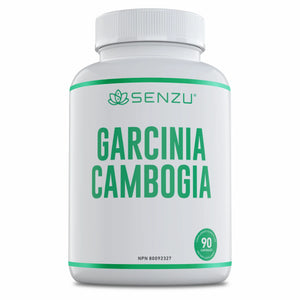
Berberine vs. Garcinia Cambogia
Garcinia Cambogia Mechanism
- HCA content: Hydroxycitric acid may inhibit fat production
- Appetite suppression: Potential effects on serotonin and appetite
- Limited research: Mixed results in clinical studies
- Variable quality: Significant differences between products
Berberine Superiority
- Consistent research: Multiple high-quality studies showing effectiveness
- Multiple mechanisms: Works through various pathways simultaneously
- Better tolerability: Fewer side effects and drug interactions
- Metabolic benefits: Comprehensive metabolic health improvements
Berberine vs. Chromium
Chromium Benefits
- Glucose metabolism: May improve insulin sensitivity
- Cravings reduction: Potential reduction in carbohydrate cravings
- Modest effects: Small improvements in some individuals
- Safety profile: Generally well-tolerated
Berberine Advantages
- Stronger effects: More significant and consistent weight loss results
- Comprehensive action: Addresses multiple aspects of metabolism
- Research depth: More extensive and higher-quality research
- Additional benefits: Anti-inflammatory and antimicrobial properties
Optimal Berberine Dosing for Weight Loss
Research-Based Dosing Protocols
Standard Effective Dose
Most successful weight loss studies have used:
- Total daily dose: 1,000-1,500mg per day
- Divided doses: 500mg taken 2-3 times daily
- Timing: 30 minutes before meals for optimal effectiveness
- Duration: Minimum 8-12 weeks to see significant results
Dosing Schedule Options
Conservative Approach (Beginners):
- Week 1-2: 500mg once daily with largest meal
- Week 3-4: 500mg twice daily before two main meals
- Week 5+: 500mg three times daily if well-tolerated
Standard Protocol:
- From start: 500mg three times daily, 30 minutes before meals
- Consistency: Same timing each day for optimal results
- Duration: Continue for at least 12 weeks for full benefits
Intensive Protocol (with healthcare supervision):
- Higher doses: Up to 2,000mg daily in divided doses
- Monitoring: Regular blood sugar and liver function monitoring
- Professional guidance: Work with healthcare provider for safety
Timing and Absorption Optimization
Pre-Meal Timing Benefits
Taking berberine 30 minutes before meals provides:
- Enhanced glucose control: Better management of post-meal blood sugar spikes
- Improved absorption: Optimal uptake when stomach is relatively empty
- Maximum effectiveness: Peak blood levels when food arrives in system
- Appetite modulation: May help with natural portion control
Factors Affecting Absorption
Enhancing Absorption:
- Empty stomach: Better absorption without food competition
- Consistent timing: Regular schedule maintains steady blood levels
- Quality formulation: Choose standardized, high-quality supplements
- Proper storage: Protect from heat, light, and moisture
Factors That May Reduce Effectiveness:
- Taking with large meals: May reduce absorption and effectiveness
- Irregular timing: Inconsistent dosing reduces cumulative benefits
- Poor quality supplements: Variable potency and bioavailability
- Medication interactions: Some drugs may interfere with berberine
Berberine Safety and Side Effects
Common Side Effects and Management
Digestive Side Effects
The most common side effects are gastrointestinal and usually mild:
Typical Digestive Issues:
- Stomach upset: Mild nausea or discomfort, especially when starting
- Diarrhea: Loose stools in some individuals, usually temporary
- Constipation: Less common but possible in some people
- Gas and bloating: Mild digestive changes as gut bacteria adjust
Management Strategies:
- Start slowly: Begin with lower doses and gradually increase
- Take with food: Small snack can reduce stomach irritation
- Stay hydrated: Adequate water intake helps with digestive adjustment
- Probiotic support: May help gut bacteria adapt to berberine
Rare but Serious Considerations
Blood Sugar Concerns:
- Hypoglycemia risk: Especially in people taking diabetes medications
- Monitoring needed: Regular blood sugar checks if diabetic
- Medication adjustment: May need to reduce diabetes medications
- Healthcare supervision: Essential for people with diabetes
Other Considerations:
- Liver enzymes: Rare cases of elevated liver enzymes
- Drug interactions: May affect absorption of some medications
- Pregnancy/nursing: Not recommended due to insufficient safety data
- Children: Not recommended for pediatric use
Drug Interactions and Contraindications
Important Drug Interactions
Diabetes Medications:
- Metformin: May enhance effects, requiring dose adjustments
- Insulin: Increased risk of hypoglycemia
- Sulfonylureas: Enhanced blood sugar lowering effects
- Monitoring required: Regular blood glucose testing essential
Other Medications:
- Blood thinners: May enhance anticoagulant effects
- Blood pressure medications: Potential for enhanced effects
- Antibiotics: Berberine's antimicrobial properties may interfere
- Cyclosporine: May affect immunosuppressant levels
Who Should Avoid Berberine
Absolute Contraindications:
- Pregnancy and breastfeeding: Insufficient safety data
- Severe liver disease: May affect liver function
- Severe kidney disease: Reduced ability to process berberine
- Children under 18: Safety not established in pediatric populations
Relative Contraindications (use with caution):
- Diabetes medications: Requires careful monitoring and possible adjustments
- Low blood pressure: May enhance hypotensive effects
- Scheduled surgery: Discontinue 2 weeks before due to blood sugar effects
- Multiple medications: Increased risk of interactions
Maximizing Berberine's Weight Loss Benefits
Dietary Strategies That Enhance Berberine
Optimal Nutrition Approach
Macronutrient Balance:
- Moderate carbohydrates: Focus on complex carbs with fiber
- Adequate protein: 0.8-1.2 grams per pound of body weight
- Healthy fats: 20-30% of calories from quality fat sources
- High fiber: 25-35 grams daily to support gut health and satiety
Foods That Synergize with Berberine:
- High-fiber vegetables: Support gut health and berberine's microbiome benefits
- Lean proteins: Work with berberine to maintain muscle mass during weight loss
- Anti-inflammatory foods: Enhance berberine's anti-inflammatory effects
- Probiotic foods: Support gut bacteria changes promoted by berberine
Foods to Minimize:
- Refined sugars: Counteract berberine's blood sugar benefits
- Processed foods: May impair gut health and metabolic function
- Excessive alcohol: Can interfere with liver metabolism of berberine
- Trans fats: Promote inflammation that opposes berberine's benefits
Meal Timing Strategies
Intermittent Fasting Synergy:
- Enhanced AMPK activation: Fasting naturally activates AMPK, amplifying berberine's effects
- Improved insulin sensitivity: Both fasting and berberine improve insulin function
- Fat burning enhancement: Combination promotes more effective fat oxidation
- Simplified dosing: Easier to time berberine with fewer meals
Optimal Meal Timing:
- Regular meal schedule: Consistent timing supports circadian rhythm and metabolism
- Pre-meal berberine: 30 minutes before eating for maximum glucose control
- Balanced portions: Moderate-sized meals prevent overwhelming glucose response
- Evening cutoff: Stop eating 3 hours before bed to support overnight fat burning
Exercise Protocols That Complement Berberine
Resistance Training Benefits
Synergistic Effects with Berberine:
- Enhanced glucose uptake: Exercise + berberine dramatically improve muscle glucose absorption
- Increased muscle mass: Preserves and builds metabolically active tissue
- Improved insulin sensitivity: Both exercise and berberine enhance insulin function
- AMPK activation: Resistance training naturally activates the same pathways as berberine
Optimal Resistance Training Protocol:
- Frequency: 3-4 sessions per week
- Intensity: Moderate to high intensity with progressive overload
- Duration: 45-60 minutes per session
- Focus: Compound movements that work multiple muscle groups
Cardiovascular Exercise Integration
HIIT (High-Intensity Interval Training):
- AMPK activation: Intense exercise strongly activates AMPK pathways
- Fat burning: Promotes fat oxidation during and after exercise
- Time efficiency: Maximum benefits in minimal time
- Insulin sensitivity: Dramatic improvements in glucose metabolism
Moderate-Intensity Cardio:
- Fat oxidation zone: Promotes steady fat burning
- Recovery support: Less stressful than high-intensity exercise
- Consistency: Easier to maintain long-term
- Gut health: May support beneficial gut bacteria promoted by berberine
Exercise Timing with Berberine
Pre-Workout Considerations:
- Blood sugar stability: Berberine helps maintain stable glucose during exercise
- Energy availability: Improved glucose uptake provides steady energy
- Performance enhancement: Better metabolic flexibility supports performance
- Recovery preparation: Sets up optimal post-exercise recovery environment
Post-Workout Benefits:
- Enhanced recovery: Improved glucose uptake supports muscle recovery
- Protein synthesis: Better insulin sensitivity supports muscle building
- Glycogen replenishment: More efficient carbohydrate storage
- Fat burning continuation: Sustained fat oxidation post-exercise
Lifestyle Factors That Enhance Berberine's Effectiveness
Sleep Optimization for Weight Loss
Sleep and Metabolism Connection
How Poor Sleep Sabotages Weight Loss:
- Hormone disruption: Sleep deprivation alters leptin, ghrelin, and cortisol
- Insulin resistance: Poor sleep reduces insulin sensitivity
- Increased appetite: Sleep loss increases hunger and cravings
- Reduced willpower: Fatigue makes healthy choices more difficult
How Quality Sleep Enhances Berberine:
- Hormone optimization: Good sleep supports healthy hormone balance
- Enhanced insulin sensitivity: Quality sleep amplifies berberine's insulin benefits
- Reduced cravings: Better sleep reduces appetite and improves food choices
- Improved recovery: Better sleep supports exercise recovery and adaptation
Sleep Hygiene for Weight Loss
Essential Sleep Practices:
- Consistent schedule: Same bedtime and wake time every day
- 7-9 hours nightly: Adequate duration for metabolic recovery
- Cool environment: 65-68°F for optimal sleep quality
- Dark room: Blackout curtains or eye mask to support melatonin
Evening Routine Optimization:
- Screen limitation: No screens 1-2 hours before bed
- Relaxation activities: Reading, meditation, or gentle stretching
- Berberine timing: Take evening dose at least 2 hours before bed
- Light dinner: Avoid large meals close to bedtime
Stress Management and Cortisol Control
Stress-Weight Gain Connection
How Chronic Stress Promotes Weight Gain:
- Cortisol elevation: Stress hormone promotes fat storage, especially abdominal
- Insulin resistance: Chronic stress reduces insulin sensitivity
- Emotional eating: Stress triggers cravings for high-calorie comfort foods
- Sleep disruption: Stress interferes with restorative sleep
How Stress Management Enhances Berberine:
- Reduced cortisol: Lower stress hormones improve metabolic function
- Better insulin sensitivity: Stress reduction amplifies berberine's insulin benefits
- Improved food choices: Less stress eating supports dietary goals
- Enhanced sleep: Better stress management improves sleep quality
Effective Stress Management Techniques
Daily Stress Reduction Practices:
- Meditation: 10-20 minutes daily reduces cortisol and improves emotional regulation
- Deep breathing: 4-7-8 breathing or box breathing for immediate stress relief
- Physical activity: Regular exercise is one of the most effective stress reducers
- Nature exposure: Time outdoors has proven stress-reducing effects
Lifestyle Stress Reduction:
- Time management: Prioritize tasks and eliminate non-essential commitments
- Social support: Maintain relationships that provide emotional support
- Hobbies: Engage in enjoyable activities that provide relaxation and fulfillment
- Professional help: Consider counseling for chronic stress or emotional eating
Hydration and Detoxification Support
Hydration for Weight Loss
How Proper Hydration Supports Weight Loss:
- Appetite control: Often thirst is mistaken for hunger
- Metabolism support: Adequate hydration is essential for optimal metabolic function
- Toxin elimination: Proper hydration supports kidney function and waste removal
- Exercise performance: Good hydration improves exercise capacity and recovery
Optimal Hydration Protocol:
- Daily intake: Half your body weight in ounces of water
- Morning hydration: 16-20 ounces upon waking to jumpstart metabolism
- Pre-meal hydration: 8 ounces 30 minutes before meals may support satiety
- Exercise hydration: Additional 16-24 ounces per hour of exercise
Supporting Natural Detoxification
Liver Support for Berberine Metabolism:
- Cruciferous vegetables: Broccoli, cauliflower, and kale support liver detox pathways
- Antioxidant foods: Berries, green tea, and colorful vegetables protect liver function
- Adequate protein: Essential amino acids needed for detoxification processes
- Limited alcohol: Reduce liver burden to optimize berberine metabolism
Kidney Support:
- Adequate hydration: Essential for kidney function and berberine elimination
- Electrolyte balance: Include natural sources of sodium, potassium, and magnesium
- Limit processed foods: Reduce kidney burden from excess sodium and additives
- Monitor protein intake: Moderate protein levels support kidney health
Creating Your Berberine Weight Loss Plan
Phase 1: Foundation Building (Weeks 1-4)
Initial Assessment and Goal Setting
Baseline Measurements:
- Weight and body composition: Starting weight, body fat percentage if available
- Body measurements: Waist, hip, chest, arm, and thigh circumferences
- Health markers: Blood pressure, fasting glucose if available
- Symptom inventory: Energy levels, cravings, sleep quality, digestive health
SMART Goal Setting:
- Specific: "I will lose 15 pounds and 3 inches from my waist"
- Measurable: "I will track weight weekly and measurements monthly"
- Achievable: "I will aim for 1-2 pounds per week weight loss"
- Relevant: "This supports my goal of improved health and confidence"
- Time-bound: "I will achieve this within 12 weeks"
Berberine Introduction Protocol
Week 1-2: Gentle Introduction:
- Dosage: 500mg once daily with largest meal
- Timing: 30 minutes before dinner
- Monitoring: Track any digestive changes or side effects
- Focus: Establish routine and assess tolerance
Week 3-4: Standard Dosing:
- Dosage: 500mg twice daily before lunch and dinner
- Timing: Maintain 30-minute pre-meal schedule
- Monitoring: Track weight, energy, and appetite changes
- Adjustments: Modify timing if digestive issues occur
Foundational Lifestyle Changes
Dietary Modifications:
- Eliminate processed foods: Remove refined sugars, packaged snacks, and fast food
- Increase protein: Include lean protein at every meal
- Add fiber: Focus on vegetables, fruits, and whole grains
- Healthy fats: Include avocados, nuts, olive oil, and fatty fish
Basic Exercise Implementation:
- Daily walking: Start with 20-30 minutes of brisk walking
- Strength training: Begin with 2 sessions per week, basic bodyweight exercises
- Flexibility: Include 10-15 minutes of stretching or yoga daily
- Progression: Gradually increase intensity and duration
Phase 2: Optimization (Weeks 5-8)
Advanced Berberine Protocol
Full Therapeutic Dosing:
- Dosage: 500mg three times daily before meals
- Timing: 30 minutes before breakfast, lunch, and dinner
- Consistency: Same schedule every day for optimal results
- Monitoring: Track weight loss progress and metabolic improvements
Enhanced Nutrition Strategies
Macronutrient Optimization:
- Protein: 1.0-1.2 grams per pound of body weight
- Carbohydrates: Focus on low-glycemic, high-fiber sources
- Fats: 25-30% of calories from healthy sources
- Fiber: 30-35 grams daily from whole food sources
Meal Timing Refinement:
- Intermittent fasting: Consider 14-16 hour fasting windows
- Pre and post-workout nutrition: Optimize timing around exercise
- Evening cutoff: Stop eating 3 hours before bedtime
- Consistency: Regular meal schedule to support circadian rhythm
Exercise Progression
Resistance Training Advancement:
- Frequency: Increase to 3-4 sessions per week
- Intensity: Progressive overload with heavier weights or more reps
- Compound movements: Focus on squats, deadlifts, presses, and rows
- Recovery: Ensure adequate rest between sessions
Cardiovascular Enhancement:
- HIIT integration: Add 2 high-intensity interval sessions per week
- Steady-state cardio: Maintain 2-3 moderate-intensity sessions
- Active recovery: Include gentle activities on rest days
- Progression tracking: Monitor improvements in endurance and strength
Phase 3: Maintenance and Long-term Success (Weeks 9+)
Sustained Berberine Use
Long-term Dosing Strategy:
- Maintenance dose: May reduce to 500mg twice daily if goals achieved
- Cycling consideration: Some people benefit from occasional breaks
- Monitoring: Continue tracking weight and health markers
- Professional guidance: Work with healthcare provider for long-term use
Lifestyle Integration
Sustainable Habits:
- 80/20 approach: Aim for consistency 80% of the time, allow flexibility 20%
- Habit stacking: Link berberine taking to established routines
- Environmental design: Set up your environment to support healthy choices
- Social support: Build relationships that support your healthy lifestyle
Progress Monitoring and Adjustments
Regular Assessment:
- Weekly weigh-ins: Same time, same conditions for consistency
- Monthly measurements: Track body circumferences and composition changes
- Quarterly health checks: Blood work and comprehensive health assessment
- Annual goal setting: Establish new objectives and adjust strategies
Troubleshooting Plateaus:
- Dietary adjustments: Modify macronutrient ratios or meal timing
- Exercise changes: Alter workout intensity, duration, or type
- Stress evaluation: Assess and address any increase in life stressors
- Professional consultation: Seek guidance if progress stalls significantly
Monitoring Progress and Managing Expectations
Realistic Weight Loss Timelines
What to Expect with Berberine
Week 1-2: Initial Changes:
- Water weight loss: 2-4 pounds from reduced inflammation and water retention
- Appetite changes: Reduced cravings and better appetite control
- Energy stabilization: More consistent energy levels throughout the day
- Digestive adjustment: Possible mild digestive changes as body adapts
Week 3-6: Metabolic Improvements:
- Steady weight loss: 1-2 pounds per week of sustainable fat loss
- Body composition changes: Reduction in waist circumference and body fat
- Enhanced energy: Improved stamina and exercise performance
- Better blood sugar: More stable glucose levels and reduced cravings
Week 6-12: Significant Results:
- Substantial weight loss: 8-15 pounds total weight reduction
- Metabolic optimization: Improved insulin sensitivity and metabolic flexibility
- Physical improvements: Better body composition and fitness levels
- Health marker improvements: Better blood work and cardiovascular health
Individual Variation Factors
Factors That Affect Results:
- Starting weight: People with more weight to lose often see faster initial results
- Metabolic health: Those with insulin resistance may see greater improvements
- Adherence level: Consistency with dosing and lifestyle changes affects outcomes
- Age and gender: Metabolism naturally varies by age and biological sex
- Genetics: Individual genetic factors influence response to berberine
Optimizing Your Individual Response:
- Patience: Allow at least 8-12 weeks to see full benefits
- Consistency: Regular dosing and lifestyle adherence are crucial
- Monitoring: Track multiple metrics, not just weight
- Adjustments: Modify approach based on individual response
- Professional support: Work with healthcare providers for optimal results
Comprehensive Progress Tracking
Quantitative Measurements
Body Composition Tracking:
- Weight: Weekly measurements at same time and conditions
- Body measurements: Monthly circumference measurements
- Body fat percentage: If available through DEXA, BodPod, or reliable scale
- Progress photos: Monthly photos for visual progress tracking
Health and Performance Metrics:
- Blood pressure: Regular monitoring if elevated initially
- Fasting glucose: Quarterly testing to track metabolic improvements
- Exercise performance: Strength, endurance, and recovery improvements
- Sleep quality: Duration, efficiency, and subjective quality ratings
Qualitative Assessments
Subjective Improvements:
- Energy levels: Daily energy ratings and patterns
- Appetite and cravings: Hunger patterns and food desires
- Mood and mental clarity: Emotional stability and cognitive function
- Physical comfort: Joint health, digestive comfort, overall well-being
Lifestyle Integration Success:
- Habit consistency: How well you maintain new behaviors
- Social impact: Effects on relationships and social activities
- Stress management: Ability to handle daily stressors
- Overall satisfaction: Enjoyment and sustainability of changes
Troubleshooting Common Challenges
Addressing Berberine Side Effects
Digestive Management Strategies
Reducing Gastrointestinal Issues:
- Gradual dose increase: Start with 500mg daily and slowly increase
- Take with food: Small snack can reduce stomach irritation
- Probiotic support: May help gut bacteria adapt to berberine
- Timing adjustments: Take with largest meal if empty stomach causes issues
When to Seek Medical Advice:
- Persistent severe symptoms: Ongoing nausea, vomiting, or severe diarrhea
- Signs of liver issues: Yellowing of skin or eyes, severe fatigue
- Blood sugar concerns: Symptoms of hypoglycemia if taking diabetes medications
- Unusual symptoms: Any concerning or persistent side effects
Plateau Management
Weight Loss Plateau Solutions:
- Dietary assessment: Review and adjust macronutrient ratios
- Exercise modification: Change workout intensity, type, or frequency
- Stress evaluation: Address any increases in stress levels
- Sleep optimization: Ensure adequate and quality sleep
- Patience: Sometimes plateaus are temporary metabolic adjustments
Metabolic Adaptation Strategies:
- Refeed days: Occasional higher-calorie days to reset metabolism
- Exercise variety: Change workout routines to challenge the body differently
- Intermittent fasting: Adjust fasting windows or try different approaches
- Professional guidance: Consult healthcare provider or nutritionist
Social and Lifestyle Challenges
Managing Social Situations
Dining Out Strategies:
- Pre-meal berberine: Take 30 minutes before restaurant meals
- Menu research: Check restaurant menus in advance
- Portion control: Consider sharing dishes or taking half home
- Focus on protein and vegetables: Choose grilled, baked, or steamed options
Social Event Navigation:
- Eat before events: Have a small protein-rich snack before parties
- Bring healthy options: Contribute nutritious dishes to gatherings
- Stay hydrated: Drink plenty of water throughout events
- Plan indulgences: Choose special treats mindfully rather than eating everything
Travel and Schedule Disruptions
Maintaining Routine While Traveling:
- Pack berberine: Bring extra supplements in case of delays
- Research destinations: Find healthy restaurant options and grocery stores
- Maintain timing: Take berberine at consistent times despite time zone changes
- Stay active: Use hotel gyms, walk when possible, or do bodyweight exercises
Handling Schedule Changes:
- Flexible meal timing: Adjust berberine timing with changed meal schedules
- Backup plans: Have healthy snack options available for unexpected situations
- Priority maintenance: Focus on most important habits during busy periods
- Recovery strategies: Get back on track quickly after disruptions
The Future of Berberine Research
Emerging Research Areas
Advanced Formulations
Current research is exploring:
- Enhanced bioavailability: New delivery systems for better absorption
- Combination formulas: Berberine plus other synergistic compounds
- Sustained release: Formulations that provide longer-lasting effects
- Targeted delivery: Methods to deliver berberine to specific tissues
Personalized Medicine Applications
The future of berberine use may include:
- Genetic testing: Identifying individuals most likely to respond to berberine
- Microbiome analysis: Customizing berberine use based on gut bacteria profiles
- Biomarker-guided dosing: Using individual health markers to optimize dosing
- AI-driven protocols: Technology-assisted optimization of berberine regimens
Integration with Medical Care
Preventive Medicine Focus
Berberine is increasingly being studied for:
- Diabetes prevention: Using berberine to prevent progression from prediabetes
- Metabolic syndrome management: Comprehensive approach to metabolic health
- Cardiovascular protection: Long-term heart health benefits
- Healthy aging: Role in maintaining metabolic health throughout lifespan
Healthcare Provider Collaboration
Working with healthcare providers for:
- Comprehensive assessment: Evaluating individual suitability for berberine
- Monitoring protocols: Regular assessment of progress and safety
- Medication coordination: Adjusting other medications as needed
- Integrated care: Combining berberine with other treatments for optimal results
Conclusion: Your Natural Path to Sustainable Weight Loss
Berberine represents a revolutionary approach to weight loss that addresses the underlying metabolic dysfunction that makes traditional weight loss methods ineffective for many people. Unlike quick-fix solutions that often lead to weight regain, berberine works by optimizing the fundamental processes that control how your body stores and burns fat.
The extensive research supporting berberine's effectiveness, combined with its excellent safety profile and natural origin, makes it an ideal choice for people seeking sustainable weight loss without the side effects associated with pharmaceutical interventions. By activating AMPK, improving insulin sensitivity, and supporting healthy gut bacteria, berberine creates the optimal metabolic environment for lasting weight loss success.
Success with berberine requires more than just taking a supplement – it involves creating a comprehensive approach that includes proper dosing, timing, and lifestyle integration. The combination of berberine supplementation with healthy eating, regular exercise, adequate sleep, and stress management creates a synergistic effect that maximizes weight loss results while supporting overall health and well-being.
Remember that sustainable weight loss is a journey, not a destination. Start with realistic expectations, be consistent with your berberine regimen, and allow time for the metabolic improvements to develop. The compound effects of berberine's actions on your metabolism will build over time, creating lasting changes that support your weight loss goals and overall health.
Your investment in berberine supplementation today can transform not just your weight, but your entire relationship with food, energy, and health. With patience, consistency, and the right approach, berberine can be the natural solution you've been seeking for achieving and maintaining your ideal weight while optimizing your metabolic health for life.
The science is clear: berberine offers a safe, effective, and natural alternative to pharmaceutical weight loss interventions. By harnessing the power of this remarkable compound and integrating it into a comprehensive healthy lifestyle approach, you can achieve the sustainable weight loss results you've been seeking and maintain them for years to come.


Subscribe & Save
How subscriptions work
- 15% off all recurring orders
- Free shipping, always
- Easily swap products, skip deliveries
- Cancel anytime
Featured product