Choosing the Right Resveratrol: Trans-Resveratrol, Dosage, and Bioavailability Guide

Resveratrol is a popular supplement for people who care about healthy aging, heart support, and overall wellness. It is often linked to red wine and grapes, but what you find in a capsule can be very different from what you get from food.
If you have ever tried to choose a resveratrol supplement, you have probably seen terms like “trans-resveratrol,” “standardized,” and “bioavailability” on labels. It can get confusing fast.
Let us break it all down in simple, clear language so you can feel confident about what you are putting in your body.
What Is Resveratrol, Really?
Resveratrol is a natural compound that plants make to help protect themselves from stress in their environment. You can find it in:
- Red grapes and grape skins
- Red wine
- Some berries
- Peanuts
- Certain herbs and plants
Because of how it behaves at the cellular level, many people are interested in resveratrol as part of a wellness routine for:
- Healthy aging support
- Heart and circulation support
- General cellular protection
Resveratrol in supplements is usually much more concentrated than what you get from food. That is why quality, form, and purity matter.
What Is Trans-Resveratrol And Why Does It Matter?
If you look closely at high quality resveratrol products, you will often see the word “trans-resveratrol.”
The two main forms: cis and trans
Resveratrol can exist in two main shapes, called “cis” and “trans.” You do not need to know the chemistry, only this:
- Trans-resveratrol is the form most often used and studied in supplements
- It is the form usually preferred for wellness products
When a label says “trans-resveratrol,” it is telling you which form is being used. High quality products often standardize the amount of trans-resveratrol to help ensure you get a consistent dose.
Why standardized trans-resveratrol is important
Standardized means:
- The product is tested to contain a specific amount of active trans-resveratrol
- You can trust that each capsule or serving is close to the amount stated on the label
This consistency is important if you plan to take resveratrol regularly as part of a long term routine.
Dosage: How Much Resveratrol Should You Look For?
Resveratrol supplements come in many strengths. You might see:
- 100 mg per capsule
- 150 mg per capsule
- 250 mg per capsule
- 300 mg per capsule or higher
Things to consider about dosage
-
Your overall routine
- Some people prefer lower doses if they are just starting
- Others choose higher doses when they want a more targeted, concentrated approach
-
Frequency
- Some products suggest one capsule per day
- Others may be taken more than once daily
-
Label guidance
- Always follow the dosage instructions on the label
- If you have questions about what dose fits your personal situation, talk with a health professional
Higher dose does not always mean “better” for every person, but knowing the exact amount per capsule helps you understand how much you are taking and compare brands clearly.
Bioavailability: How Well Does Your Body Use Resveratrol?
You might see the word “bioavailability” in discussions about resveratrol. This simply means:
How much of what you swallow can your body actually absorb and use?
Some compounds are absorbed easily. Others are more sensitive to:
- The way they are made
- What they are combined with
- Your digestion and timing with food
Because of this, how resveratrol is produced and purified can affect its quality and how comfortable you feel using it every day.
Japanese Knotweed vs Fermented Trans-Resveratrol
Most resveratrol supplements on the market today come from the Japanese Knotweed plant. While this source can provide resveratrol, it also raises some concerns.
The concern with some plant sources
Japanese Knotweed based resveratrol can sometimes contain:
- Emodin, a compound that some people prefer to avoid
- PAHs (polycyclic aromatic hydrocarbons), a group of environmental contaminants
- Pesticide residues, depending on how and where the plant is grown
There is a risk that some high percentage trans-resveratrol ingredients from Japanese Knotweed may have levels of PAHs that exceed limits set by strict regulations, such as those in parts of the EU or California Prop 65.
This is why more people are looking for cleaner, more controlled ways to produce resveratrol.
Fermented trans-resveratrol - a cleaner path
An alternative to plant extraction is to produce resveratrol using a controlled yeast fermentation process.
Benefits of this approach can include:
- More control over purity
- No need to rely on soil and environmental conditions
- Better ability to avoid unwanted compounds like Emodin, pesticides, and PAHs
This kind of process can create a very pure form of trans-resveratrol that appeals to health conscious consumers who care about both quality and cleanliness.
What To Look For When Choosing A Resveratrol Supplement
When you compare resveratrol supplements, here are some simple checkpoints that can help you choose with more confidence:
1. Form and purity
Look for:
- Clear labeling of “trans-resveratrol”
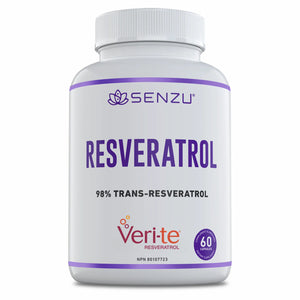
- Standardized purity levels, such as “98 percent trans-resveratrol”
- Information about how the resveratrol is produced
2. Source transparency
Check if the brand tells you:
- Whether the resveratrol comes from Japanese Knotweed or from fermentation
- Whether it is tested for contaminants like PAHs, pesticides, and Emodin
Clear information usually signals a brand that values quality and transparency.
3. Dosage per capsule
Make sure you know:
- Exactly how many milligrams (mg) of trans-resveratrol you get in each serving
- How many capsules you need to reach the suggested daily amount
This helps you compare value and decide what fits your routine.
4. Extra ingredients
Look at the full ingredient list and check for:
- Unnecessary fillers
- Artificial colors or preservatives
- Allergen information if that is important for you
Clean, simple formulas are usually a good sign for long term daily use.
Why Senzu’s Resveratrol Stands Out
Senzu has taken a careful approach to resveratrol by focusing on purity, form, and safety concerns that many people are not aware of.
Highly purified Swiss trans-resveratrol
Senzu’s Resveratrol contains:
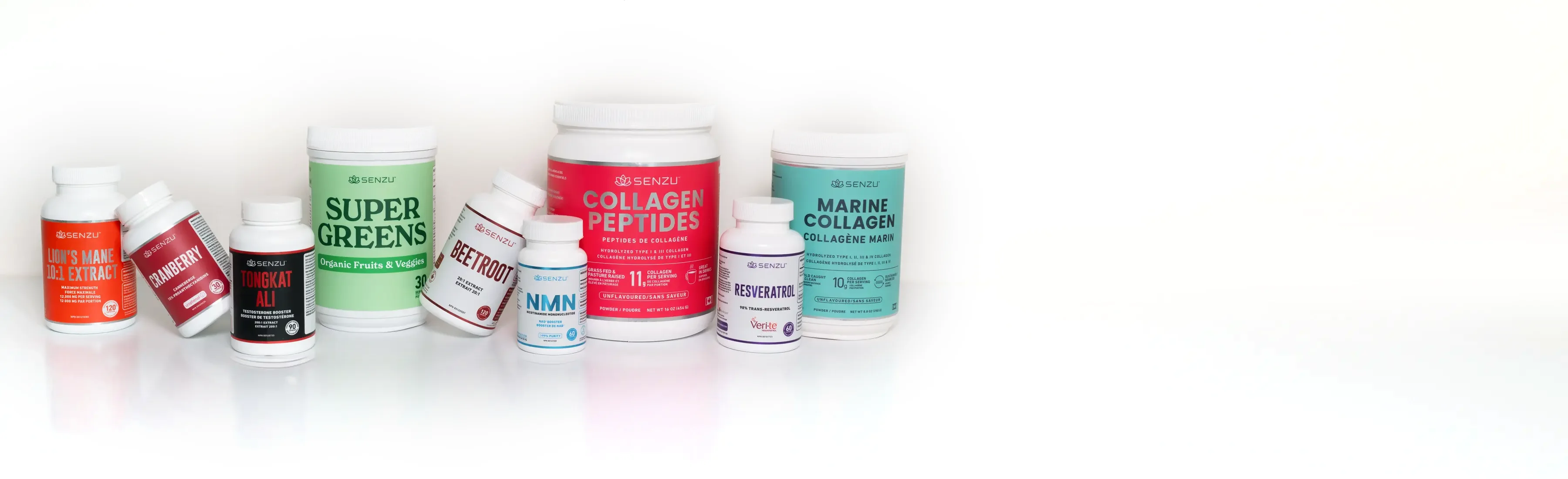
- 300 mg of patented Trans Resveratrol (Veri-te® Resveratrol) per capsule
- Produced in Switzerland using an innovative yeast fermentation process
- Standardized to 98 percent purity
This gives you a high quality, highly purified form of trans-resveratrol in each dose.
Free from Emodin, pesticides, and PAHs
Unlike many products made from Japanese Knotweed, Senzu’s Resveratrol:
- Contains no Emodin
- Is produced without exposure to soil based contaminants
- Is free from pesticides and PAHs
- Avoids the contamination risks that can occur with some plant derived resveratrol sources
For people who are serious about clean, high purity supplements, this kind of controlled production is a big advantage.
Promotional Blurb: Choose Clean, High Purity Support With Senzu Resveratrol
If you want resveratrol in your routine and care deeply about what is - and is not - in your supplement, Senzu Resveratrol is built for you.
Senzu Resveratrol features:
- 300 mg of patented Trans Resveratrol (Veri-te®) from Switzerland in every capsule
- 98 percent standardized purity through an innovative yeast fermentation process
- No Emodin, no pesticides, and no PAHs
- A cleaner alternative to Japanese Knotweed based resveratrol, which can carry a higher risk of unwanted contaminants
Support your wellness routine with a resveratrol that focuses on quality, purity, and transparency.
Add Senzu Resveratrol to your daily stack, follow the simple directions on the label, and feel confident knowing you have chosen a highly purified form of trans-resveratrol that is designed for health conscious, ingredient aware consumers.
Final Thoughts
Resveratrol can be a valuable part of a wellness routine, but not all products are the same. When choosing a supplement, it helps to look past the front of the bottle and ask:
- Is this trans-resveratrol, and is it standardized?
- How pure is it, and how was it made?
- Is it free from Emodin, pesticides, and PAHs?
By understanding form, dosage, and bioavailability, you can select a product that fits your goals and comfort level.
```


Subscribe & Save
How subscriptions work
- 15% off all recurring orders
- Free shipping, always
- Easily swap products, skip deliveries
- Cancel anytime
Featured product