How to Choose Quality Supplements in Canada: Red Flags to Avoid

The Canadian supplement market is booming, with millions of consumers turning to natural health products to support their wellness goals. However, this growing popularity has also led to an influx of products that vary dramatically in quality, potency, and safety. With thousands of supplements lining store shelves and flooding online marketplaces, knowing how to identify high-quality products has become more challenging – and more important – than ever.

In Canada, the supplement industry is regulated by Health Canada through the Natural Health Products Regulations, but this doesn't mean all products meet the same standards of quality and effectiveness. Understanding how to evaluate supplements, recognize red flags, and identify truly high-quality products can make the difference between achieving your health goals and wasting money on ineffective or potentially harmful products.
This comprehensive guide will walk you through everything you need to know about choosing quality supplements in Canada, from understanding regulatory requirements to spotting warning signs of inferior products.
Understanding Canada's Supplement Regulation Landscape
Before diving into quality indicators, it's essential to understand how supplements are regulated in Canada and what protections exist for consumers.
Natural Health Products Regulations (NHPR) In Canada, most supplements fall under the category of Natural Health Products (NHPs) and are regulated by Health Canada. This system requires:
Natural Product Numbers (NPNs): All approved natural health products must display an 8-digit NPN or Homeopathic Medicine Number (DIN-HM) on their labels Pre-market licensing: Products must be licensed before they can be sold Good Manufacturing Practices (GMPs): Manufacturers must follow specific quality standards Evidence requirements: Companies must provide evidence supporting their health claims
What NPN Numbers Mean The NPN is your first indicator of legitimacy. This number means:
Health Canada has reviewed the product for safety and efficacy The ingredients and dosages have been approved The product meets quality standards Health claims have been substantiated
However, having an NPN doesn't guarantee the highest quality – it's just the baseline for legal sale in Canada.
Limitations of Current Regulations While Canada's regulations are more stringent than many countries, they have limitations:
Not all aspects of quality are regulated equally Third-party testing isn't always required Manufacturing standards can vary between facilities Some products may slip through regulatory cracks
This is why understanding additional quality indicators becomes crucial for consumers.
Red Flags: Warning Signs of Low-Quality Supplements
Recognizing poor-quality supplements can save you money, protect your health, and prevent disappointment. Here are the major red flags to watch for:
Pricing Red Flags
Unrealistically Low Prices If a supplement costs significantly less than similar products from reputable brands, there's usually a reason:
Lower-quality raw materials Reduced potency or concentration Minimal quality testing Inadequate manufacturing standards Fillers and additives instead of active ingredients
"Too Good to Be True" Deals Be wary of:
Massive bulk discounts that seem unrealistic "Buy one, get five free" offers Prices that are 70-80% below market average Flash sales with extreme discounts
Quality raw materials and proper manufacturing have inherent costs. Extremely low prices often indicate corners have been cut somewhere in the process.
Labeling and Marketing Red Flags
Vague or Missing Information High-quality supplements provide detailed information. Red flags include:
No specific dosage amounts ("proprietary blend" without individual ingredient amounts) Vague terms like "natural" or "pure" without specifics Missing manufacturer information No contact information for the company Absence of lot numbers or expiration dates
Exaggerated Health Claims Be suspicious of products claiming to:
"Cure" serious diseases Provide "miraculous" results Work "overnight" or "instantly" Replace prescription medications Be "FDA approved" (supplements aren't FDA approved, they're FDA regulated)
Poor Label Quality Physical signs of low quality include:
Blurry or poorly printed labels Spelling or grammatical errors Inconsistent formatting Cheap-looking packaging Labels that peel off easily
Ingredient Red Flags
Proprietary Blends Without Transparency Many low-quality supplements hide behind "proprietary blends" that:
Don't list individual ingredient amounts May contain mostly cheap fillers Make it impossible to verify effective dosages Prevent you from knowing what you're actually taking
Excessive Fillers and Additives Watch for products with long lists of:
Artificial colors and flavors Unnecessary preservatives Multiple binding agents Cheap fillers like rice flour or cellulose in large amounts Synthetic additives that provide no health benefit
Unrealistic Potency Claims Be wary of:
Extremely high doses that exceed established safe limits Claims of "mega-dose" formulations Potencies that are 10-20 times higher than research-supported amounts Multiple high-dose ingredients that could interact negatively
Manufacturing and Testing Red Flags
No Third-Party Testing Information Quality supplements undergo independent testing. Red flags include:
No mention of third-party testing Vague statements about "quality assurance" No certificates of analysis available Refusal to provide testing documentation when requested
Unknown or Questionable Manufacturing Facilities Be cautious of products:
Manufactured in unregulated facilities With no information about where they're made From companies that won't disclose manufacturing partners Made in facilities that don't follow Good Manufacturing Practices (GMPs)
No Batch Tracking Quality products have:
Clear lot numbers Traceable batch information Proper expiration dating Manufacturing date information
Company and Brand Red Flags
Lack of Transparency Reputable companies provide:
Clear contact information Detailed company history Information about their quality standards Customer service accessibility Transparent business practices
Red flags include companies that:
Have no physical address Provide only email contact Have no established history or reputation Make it difficult to reach customer service Provide vague or evasive answers about their products
Poor Online Presence and Reviews Be wary of companies with:
No legitimate website Overwhelmingly negative reviews Fake-looking testimonials No presence on reputable review platforms Complaints about product quality or customer service
Key Quality Indicators to Look For
Now that you know what to avoid, here are the positive indicators of high-quality supplements:
Superior Raw Materials
Source Transparency Quality supplement companies provide information about:
Where ingredients are sourced How they're processed Quality standards of suppliers Sustainability practices Organic or non-GMO certifications when applicable
Standardized Extracts Look for supplements that specify:
Standardization percentages (e.g., "standardized to 95% curcumin") Active compound concentrations Extraction methods used Bioavailability enhancement techniques
Rigorous Testing Standards
Third-Party Testing The gold standard includes:
Independent laboratory testing Certificates of analysis available upon request Testing for potency, purity, and contaminants Heavy metal screening Microbiological testing Pesticide and herbicide testing
Multiple Testing Points Quality companies test:
Raw materials before processing Products during manufacturing Finished products before release Stability over time
Manufacturing Excellence
GMP Certification Look for products made in facilities that are:
GMP (Good Manufacturing Practices) certified Regularly inspected Following pharmaceutical-grade standards Properly equipped and maintained
Quality Control Systems High-quality manufacturers have:
Documented quality control procedures Batch tracking systems Proper storage and handling protocols Environmental monitoring Equipment calibration programs
Proper Formulation
Research-Based Dosing Quality supplements use:
Dosages supported by scientific research Bioavailable forms of ingredients Appropriate combinations that work synergistically Proper ratios when multiple ingredients are included
Bioavailability Enhancement Look for products that include:
Absorption enhancers (like piperine for curcumin) Proper delivery systems Forms that are easily absorbed by the body Time-release formulations when appropriate
How to Research and Verify Quality
Checking Company Credentials
Health Canada Database Verify NPN numbers on Health Canada's Licensed Natural Health Products Database Check for any warnings or recalls Confirm the product is legally authorized for sale
Company Research Look up the company's history and reputation Check Better Business Bureau ratings Research the company's leadership and expertise Verify their manufacturing partnerships
Reading Labels Effectively
Understanding Supplement Facts Panels Check serving sizes and servings per container Look for specific amounts of active ingredients Understand different forms of ingredients (e.g., magnesium oxide vs. magnesium glycinate) Identify any potential allergens or additives
Expiration Dates and Storage Check expiration dates before purchasing Understand proper storage requirements Look for products with reasonable shelf life remaining Verify packaging protects against light, moisture, and air
Evaluating Scientific Support
Research Quality Look for products backed by:
Peer-reviewed studies Human clinical trials (not just animal studies) Studies using the same form and dose of ingredients Research published in reputable journals
Health Claims Verification Check if health claims are supported by evidence Understand the difference between structure/function claims and disease claims Be skeptical of claims that seem too broad or dramatic
Senzu Supplements: Setting the Gold Standard for Quality
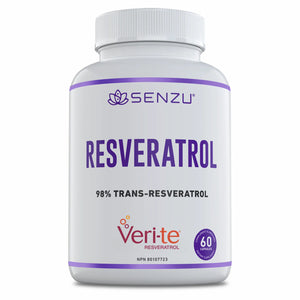
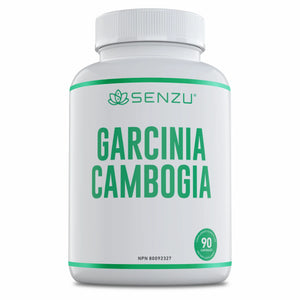
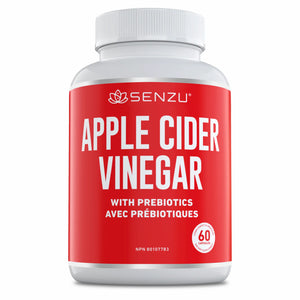
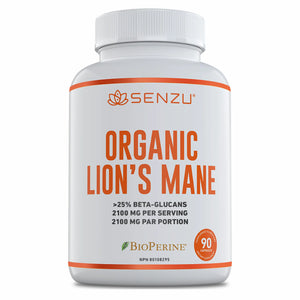
When it comes to premium supplement quality in Canada, Senzu represents the pinnacle of what consumers should expect from truly high-grade natural health products. Understanding what makes Senzu supplements exceptional provides a perfect example of the quality standards you should seek in any supplement brand.
Highest Potency Formulations
Senzu's commitment to highest potency means every product is formulated to deliver therapeutic levels of active compounds that match or exceed those used in successful clinical studies. This approach ensures:
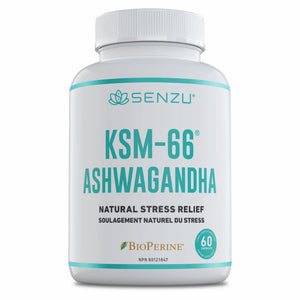
Research-Matched Dosing: Each Senzu supplement contains the specific amounts of active ingredients that research has proven effective, not arbitrary amounts chosen to reduce costs. Concentrated Active Compounds: Rather than using cheap fillers to bulk up capsules, Senzu maximizes the concentration of beneficial compounds in each dose. Standardized Extracts: All botanical ingredients are standardized to specific percentages of active compounds, ensuring consistent potency from batch to batch. Bioavailability Optimization: Many Senzu formulations include natural absorption enhancers like BioPerine (black pepper extract) to maximize the bioavailability of active ingredients.
This high-potency approach means you get more therapeutic benefit per capsule, better value for your investment, and more reliable results from your supplementation.
Naturally Sourced Excellence
Senzu's commitment to natural sourcing goes far beyond simply using plant-based ingredients. Their sourcing standards include:
Sustainable Harvesting: All botanical ingredients are sourced using environmentally responsible methods that ensure long-term availability and ecological health. Optimal Growing Conditions: Raw materials are sourced from regions where plants naturally thrive, ensuring maximum concentration of beneficial compounds. Organic When Possible: Many Senzu products feature organic certification, guaranteeing freedom from synthetic pesticides, herbicides, and fertilizers. Ethical Sourcing Partnerships: Senzu works with suppliers who maintain fair trade practices and support local communities where ingredients are harvested. Seasonal Harvesting: Botanical ingredients are harvested at optimal times when active compound concentrations are naturally highest.
Highest Quality Standards
Senzu's quality standards exceed industry norms and regulatory requirements, incorporating multiple layers of quality assurance:
Pharmaceutical-Grade Manufacturing: All Senzu products are manufactured in facilities that meet or exceed pharmaceutical manufacturing standards, not just supplement industry standards. Multiple Testing Protocols: Every batch undergoes extensive testing including raw material identity and potency testing, heavy metal screening, microbiological safety testing, pesticide and herbicide residue testing, final product potency verification, and stability testing over time. Third-Party Verification: Independent laboratories verify all testing results, providing unbiased confirmation of quality and potency. Batch Documentation: Complete traceability from raw materials through finished products, with detailed documentation of every step in the manufacturing process. Quality Control Systems: Comprehensive quality management systems ensure consistent quality across all products and production runs.
Natural Extraction Process for Purest Benefits
One of the most distinctive aspects of Senzu supplements is their commitment to natural extraction processes that preserve the integrity and potency of beneficial compounds:
Gentle Extraction Methods: Senzu uses extraction techniques that maintain the natural structure and activity of beneficial compounds, avoiding harsh chemicals or extreme processing that can denature active ingredients.
Full-Spectrum Preservation: Rather than isolating single compounds, Senzu's extraction processes often preserve the full spectrum of naturally occurring beneficial compounds, maintaining the synergistic relationships that exist in whole plants.
Solvent-Free Processing: When possible, Senzu employs mechanical and water-based extraction methods that eliminate the need for chemical solvents, ensuring the purest possible final products.
Temperature-Controlled Processing: Heat-sensitive compounds are protected through low-temperature processing methods that preserve their biological activity. Minimal
Processing Philosophy: The extraction process uses the minimum intervention necessary to concentrate beneficial compounds while maintaining their natural form and activity.
Your Action Plan for Choosing Quality Supplements
Step 1: Educate Yourself Learn about your specific health needs and goals Research the supplements that might benefit you Understand the difference between quality and marketing hype
Step 2: Set Quality Standards Decide what quality indicators are most important to you Establish a budget that allows for quality products Identify reputable brands and retailers
Step 3: Research Specific Products Check NPN numbers and Health Canada licensing Look for third-party testing and quality certifications Read labels carefully and understand what you're buying Research the company's reputation and practices
Step 4: Start Smart Begin with one or two high-quality supplements Monitor your response and adjust as needed Build your routine gradually with proven products Maintain realistic expectations about results and timelines
Step 5: Stay Informed Keep up with new research on supplements you're taking Monitor for any safety alerts or recalls Reassess your supplement routine periodically Continue learning about quality indicators and industry standards
The Bottom Line: Quality Matters
In Canada's diverse supplement marketplace, quality varies dramatically between products and brands. While regulations provide a baseline for safety and efficacy, truly high-quality supplements go far beyond minimum requirements to deliver superior potency, purity, and effectiveness.
The red flags outlined in this guide – from unrealistic pricing to vague labeling to lack of testing transparency – can help you avoid products that waste your money or potentially harm your health. Conversely, indicators of quality like third-party testing, research-based formulations, and manufacturing excellence can guide you toward supplements that deliver real benefits.
Remember that choosing quality supplements is an investment in your health. While premium products may cost more upfront, they provide better value through superior effectiveness, safety, and reliability. The peace of mind that comes from knowing you're taking thoroughly tested, properly formulated, and ethically sourced supplements is invaluable.
Take the time to research, ask questions, and choose wisely. Your health deserves nothing less than the highest quality supplements available, and with the knowledge provided in this guide, you're equipped to make informed decisions that support your wellness goals safely and effectively.


Subscribe & Save
How subscriptions work
- 15% off all recurring orders
- Free shipping, always
- Easily swap products, skip deliveries
- Cancel anytime
Featured product