Post-Holiday Detox: Science-Based Recovery Strategies

The holidays are over, and you might be feeling the effects of weeks of rich foods, late nights, disrupted routines, and maybe a few too many holiday cocktails. Your energy feels low, your clothes feel tight, and you're ready to get back on track. The good news is that your body is incredibly resilient and has amazing natural recovery abilities when given the right support.
Forget extreme detox diets or expensive juice cleanses that promise miraculous results. Real detox is about supporting your body's natural processes with simple, science-backed strategies that actually work. Your liver, kidneys, and digestive system are already designed to detoxify your body – they just need the right nutrients and habits to function optimally.
This guide will walk you through practical, evidence-based strategies to help you recover from holiday indulgences and reset your health without extreme measures or complicated protocols.
Understanding What Your Body Really Needs
Before jumping into specific strategies, it's important to understand what "detox" actually means from a scientific perspective. Your body doesn't need to be "cleansed" or "flushed" – it needs support for the natural detoxification processes that happen 24/7.
Your Natural Detox System
Your liver is your primary detox organ, processing toxins and waste products from your blood. Your kidneys filter waste through urine, your lungs eliminate toxins through breathing, and your digestive system removes waste through bowel movements. Your skin also plays a role through sweating.
During the holidays, these systems can become overwhelmed by:
- Excess sugar and processed foods
- Increased alcohol consumption
- Dehydration
- Disrupted sleep patterns
- Higher stress levels
- Reduced physical activity
The goal of post-holiday recovery is to reduce the burden on these systems while providing the nutrients and conditions they need to function efficiently.
Hydration: The Foundation of Recovery
The single most important thing you can do for post-holiday recovery is to prioritize proper hydration. Many holiday symptoms like fatigue, headaches, and bloating are actually signs of dehydration.
Why Hydration Matters
Water helps your kidneys flush out waste products, supports liver function, aids digestion, and helps transport nutrients throughout your body. During the holidays, alcohol consumption, salty foods, and disrupted routines often lead to dehydration.
How to Rehydrate Effectively
Start each day with a large glass of water before coffee or any other beverages. Aim for half your body weight in ounces of water daily – so if you weigh 150 pounds, target about 75 ounces of water.
Add a pinch of sea salt and lemon to your water to help with absorption and provide electrolytes. The salt helps your body actually use the water instead of just passing it through, while lemon provides vitamin C and supports liver function.
Keep a water bottle with you throughout the day and sip consistently rather than trying to drink large amounts all at once. Your body can only absorb about 8 ounces of water every 15-20 minutes, so steady intake is more effective than chugging.
Supporting Your Digestive System
Holiday eating often disrupts normal digestion, leading to bloating, irregular bowel movements, and general digestive discomfort. Supporting your digestive system is crucial for overall recovery.
Fiber for Digestive Health
Increase your fiber intake gradually with whole foods like vegetables, fruits, beans, and whole grains. Fiber helps move waste through your digestive system and feeds beneficial gut bacteria that support overall health.
Start your day with a fiber-rich breakfast like oatmeal with berries, or have a large salad with lunch. Add ground flaxseed or chia seeds to smoothies for an extra fiber boost.
Probiotics and Gut Health
Holiday stress and rich foods can disrupt the balance of bacteria in your gut. Support your gut microbiome with probiotic-rich foods like yogurt, kefir, sauerkraut, or kimchi.
If you don't regularly eat fermented foods, consider a high-quality probiotic supplement to help restore balance more quickly.
Gentle Movement for Digestion
Light physical activity helps stimulate digestion and move things along naturally. Take a 10-15 minute walk after meals, try gentle yoga poses, or do some light stretching to support digestive function.
Liver Support Strategies
Your liver works overtime during the holidays, and supporting its function is key to feeling better quickly.
Nutrient-Dense Foods
Focus on foods that provide the nutrients your liver needs for detoxification:
- Leafy greens like spinach and kale provide folate and chlorophyll
- Cruciferous vegetables like broccoli and Brussels sprouts contain compounds that support liver detox pathways
- Citrus fruits provide vitamin C and antioxidants
- Beets contain betaine, which supports liver function
- Garlic and onions provide sulfur compounds that aid detoxification
Limit Additional Burden
Give your liver a break by temporarily reducing or eliminating alcohol, processed foods, and excess sugar. This doesn't mean you need to eat perfectly forever, but a short period of clean eating allows your liver to catch up on processing stored toxins.
Timing Your Meals
Consider giving your digestive system a 12-hour break between dinner and breakfast. This overnight "fast" allows your body to focus on repair and detoxification rather than constantly processing food.
Sleep and Recovery
Quality sleep is when your body does much of its repair and detoxification work. Holiday disruptions to sleep patterns can significantly impact your recovery.
Establishing Better Sleep Habits
Create a consistent bedtime routine and stick to it, even on weekends. This helps reset your circadian rhythm after holiday disruptions.
Keep your bedroom cool, dark, and quiet. Consider blackout curtains or an eye mask if needed, and avoid screens for at least an hour before bed.
Supporting Natural Sleep
Avoid caffeine after 2 PM, as it can interfere with sleep quality even if you don't feel obviously stimulated. Instead, try herbal teas like chamomile or passionflower in the evening.
If your mind is racing at bedtime, try writing down your thoughts or tomorrow's to-do list to help clear your head.
Gentle Movement and Exercise
Exercise supports detoxification by improving circulation, promoting sweating, and stimulating lymphatic drainage. However, this isn't the time for extreme workouts that add stress to your already recovering system.
Low-Impact Activities
Start with gentle activities like walking, light yoga, or stretching. These activities support circulation and lymphatic drainage without adding significant stress to your body.
Aim for 20-30 minutes of movement daily, but listen to your body and adjust as needed. Some days this might be a brisk walk, other days it might be gentle stretching on your living room floor.
Sweating for Detox
Light sweating through exercise or sauna use can help eliminate toxins through your skin. However, don't overdo it – gentle sweating is more beneficial than intense sessions that leave you exhausted.
If you have access to a sauna, 10-15 minutes a few times per week can be beneficial. Otherwise, a warm bath with Epsom salts can provide similar relaxation benefits.
Stress Management for Recovery
Holiday stress can linger and interfere with your body's recovery processes. Managing stress is crucial for getting back to optimal health.
Simple Stress-Reduction Techniques
Practice deep breathing exercises for just 5 minutes daily. Breathe in for 4 counts, hold for 4, and exhale for 6. This activates your parasympathetic nervous system and promotes relaxation.
Try a brief meditation using apps like Headspace or Calm, or simply sit quietly and focus on your breathing for a few minutes each day.
Prioritizing Self-Care
Schedule time for activities that help you relax and recharge, whether that's reading, taking baths, listening to music, or spending time in nature.
Say no to additional commitments for a few weeks while you focus on recovery. Your energy is better spent on taking care of yourself right now.
Apple Cider Vinegar: A Natural Recovery Aid
Apple cider vinegar (ACV) has been used for centuries as a natural health remedy, and modern research supports several benefits that can aid in post-holiday recovery.
How Apple Cider Vinegar Supports Recovery
ACV contains acetic acid, which may help improve digestion, support healthy blood sugar levels, and promote feelings of fullness. These benefits can be particularly helpful when recovering from holiday overindulgence.
Research suggests that taking apple cider vinegar before meals may help slow the absorption of carbohydrates, leading to more stable blood sugar levels and reduced cravings for sugary foods.
The probiotics in raw, unfiltered apple cider vinegar may also support gut health, which is important for overall recovery and immune function.
Traditional Apple Cider Vinegar Use
If you choose to use liquid apple cider vinegar, start with 1-2 teaspoons diluted in a large glass of water, taken 15-30 minutes before meals. Always dilute ACV to protect your tooth enamel and prevent stomach irritation.
Look for raw, unfiltered apple cider vinegar that contains the "mother" – the cloudy substance that contains beneficial bacteria and enzymes.
Some people find the taste of liquid ACV unpalatable, which can make it difficult to maintain a consistent routine. The strong, acidic taste can also be harsh on sensitive stomachs.
Senzu Apple Cider Vinegar Gummies: A Convenient Alternative
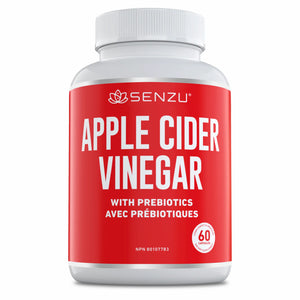
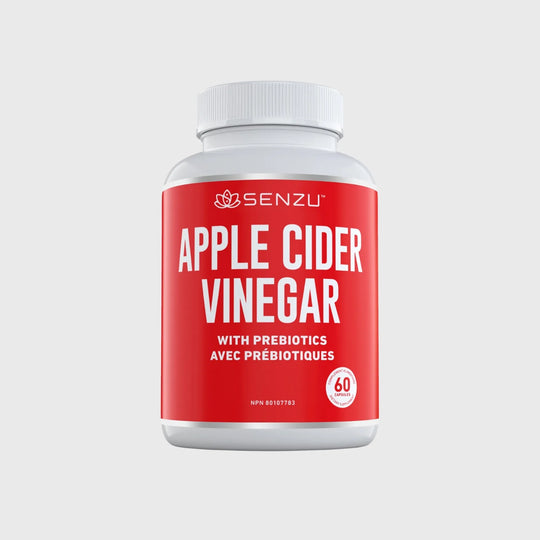
For those who want the potential benefits of apple cider vinegar without the harsh taste or hassle of diluting liquid ACV, Senzu Apple Cider Vinegar Gummies offer a convenient and pleasant alternative.
Benefits of ACV Gummies
Senzu ACV Gummies provide a standardized dose of apple cider vinegar in a form that's easy to take consistently. Each gummy contains a concentrated amount of ACV along with other beneficial ingredients that support digestive health and recovery.
The gummy form eliminates the strong taste that many people find off-putting about liquid apple cider vinegar, making it much easier to maintain a daily routine. This consistency is key to experiencing potential benefits.
Easy Integration into Your Routine
Taking ACV gummies is as simple as taking any other supplement – no measuring, mixing, or diluting required. You can take them with you when traveling or eating out, ensuring you don't miss doses.
The pleasant taste makes them feel more like a treat than a health obligation, which can help with long-term compliance. Many people find it easier to remember to take gummies compared to preparing liquid ACV.
Supporting Your Recovery Goals
During post-holiday recovery, consistency is more important than perfection. ACV gummies make it easy to incorporate the potential benefits of apple cider vinegar into your daily routine without adding complexity or unpleasant experiences.
The digestive support and blood sugar benefits of ACV can be particularly helpful as you transition back to healthier eating patterns after holiday indulgences.
Quality and Safety Considerations
Senzu ACV Gummies are formulated to provide effective amounts of apple cider vinegar while being gentle on your stomach and teeth. The gummy form reduces the acidity that can cause enamel erosion or digestive discomfort.
Look for gummies that are made with real apple cider vinegar and don't contain excessive added sugars or artificial ingredients that could counteract the health benefits you're seeking.
Creating Your Recovery Plan
The key to successful post-holiday recovery is creating a simple, sustainable plan that you can actually stick to. Here's how to put it all together:
Week 1: Foundation Building
- Focus on hydration and sleep
- Add fiber-rich foods gradually
- Take gentle walks daily
- Start stress-reduction practices
Week 2: Building Momentum
- Increase vegetable intake
- Add probiotic foods or supplements
- Extend movement sessions slightly
- Continue stress management
Week 3: Establishing New Habits
- Fine-tune your routine
- Address any remaining digestive issues
- Increase activity as energy improves
- Plan for long-term maintenance
Daily Recovery Checklist
Create a simple daily checklist to track your recovery habits:
- Drink adequate water throughout the day
- Eat at least 5 servings of fruits and vegetables
- Take a 20-minute walk or do light exercise
- Practice 5 minutes of stress reduction
- Get 7-8 hours of sleep
- Take your chosen supplements consistently
What to Expect During Recovery
Recovery is a gradual process, and it's important to have realistic expectations about the timeline and experience.
Week 1: You might feel worse before you feel better as your body adjusts. This is normal and temporary.
Week 2: Energy levels should start improving, and digestive issues should begin resolving.
Week 3-4: You should feel noticeably better, with improved energy, better sleep, and more stable moods.
Red Flags: If you experience severe symptoms, persistent digestive issues, or feel significantly worse after a week, consult with a healthcare provider.
Long-Term Maintenance
The goal isn't just to recover from holiday indulgences but to establish sustainable habits that prevent you from feeling this way again.
Sustainable Strategies
Focus on progress, not perfection. Aim for consistency in your healthy habits rather than trying to be perfect all the time.
Plan for future indulgences by maintaining your baseline health habits most of the time, so occasional treats don't derail your overall well-being.
Continue the habits that made you feel best during recovery, whether that's daily walks, consistent sleep schedules, or regular apple cider vinegar supplementation.
The Bottom Line
Post-holiday recovery doesn't require extreme measures or expensive programs. Your body has incredible natural healing abilities that just need the right support through proper hydration, nutritious foods, gentle movement, adequate sleep, and stress management.
The strategies outlined here are based on supporting your body's natural processes rather than forcing dramatic changes. This approach is not only more effective but also more sustainable for long-term health.
Whether you choose liquid apple cider vinegar or the convenience of Senzu ACV Gummies, the key is finding an approach you can stick with consistently. Small, sustainable changes implemented daily will always trump dramatic but short-lived interventions.
Remember, recovery is a process, not a destination. Be patient with yourself, focus on progress over perfection, and celebrate the small wins along the way. Your body is remarkably resilient, and with the right support, you'll be feeling better than ever in just a few weeks.


Subscribe & Save
How subscriptions work
- 15% off all recurring orders
- Free shipping, always
- Easily swap products, skip deliveries
- Cancel anytime
Featured product