Trans-Resveratrol vs. Cis-Resveratrol: Why Form Matters

Resveratrol has become a star player in the world of nutritional science, largely due to its potential to support heart health, reduce inflammation, and activate longevity pathways through sirtuin activation. However, not all resveratrol is created equal. If you've read a supplement label, you may have come across two forms: trans-resveratrol and cis-resveratrol.
Understanding the difference between these two is more than a matter of chemistry. It affects how well your body absorbs resveratrol, how effective it is at delivering health benefits, and whether it's even worth the investment.
In this article, we'll break down the key differences between trans-resveratrol and cis-resveratrol, explain why the form matters, and help you make more informed choices when choosing a resveratrol supplement.
What Is Resveratrol?
Resveratrol is a natural polyphenol found in the skin of red grapes, peanuts, mulberries, and Japanese knotweed. It's known for its antioxidant properties and its potential to:
-
Support cardiovascular health
-
Improve mitochondrial function
-
Activate sirtuins (proteins involved in cellular longevity)
-
Protect the brain and support cognitive function
-
Reduce inflammation and oxidative stress
What many people don't realize is that resveratrol exists in two structural forms: trans and cis.
Trans-Resveratrol vs. Cis-Resveratrol: The Structural Difference
These two forms are isomers, meaning they have the same molecular formula but different arrangements of atoms. This arrangement changes how the compound behaves in the body.
Trans-Resveratrol
-
The naturally occurring and more bioactive form
-
Has a linear molecular structure
-
More stable under neutral and slightly acidic conditions
-
Readily absorbed and recognized by the body
-
Found in higher amounts in supplements made from Japanese knotweed
Cis-Resveratrol
-
Formed when trans-resveratrol is exposed to light or heat
-
Has a bent molecular shape
-
Much less studied and less biologically active
-
Considered a degradation product
-
Not commonly used in supplements, but may appear due to improper storage or manufacturing
The distinction is important because only trans-resveratrol has been shown to deliver the majority of resveratrol's known health benefits.
Why Trans-Resveratrol Is Considered Superior
1. Higher Bioavailability
Trans-resveratrol is absorbed more efficiently by the body and remains active in circulation longer than its cis counterpart. Cis-resveratrol may not be recognized as well by cellular receptors and enzymes involved in metabolism.
2. Stronger Biological Activity
In most scientific studies, trans-resveratrol is the form used to activate SIRT1, support cardiovascular health, and provide neuroprotective effects. Cis-resveratrol has not demonstrated these benefits to the same extent.
3. Better Stability in the Right Conditions
While trans-resveratrol is sensitive to light and heat, when properly protected, it remains stable and effective. High-quality supplement formulations take steps to preserve this form and prevent its conversion into cis-resveratrol.
How to Protect Trans-Resveratrol from Degradation
Because trans-resveratrol is sensitive to UV light, oxygen, and heat, it must be handled and stored with care. Exposure to these elements can convert it into the less useful cis form.
Tips to protect potency:
-
Choose supplements in dark or opaque bottles
-
Store in a cool, dry place away from sunlight
-
Avoid clear capsules or packaging that allows light exposure
-
Use products from reputable manufacturers that ensure proper formulation and storage practices
How to Spot High-Quality Trans-Resveratrol on Labels
When shopping for a supplement, check for the following indicators:
-
"Trans-resveratrol" is clearly stated on the label
-
The ingredient source is listed (such as Japanese knotweed, also known as Polygonum cuspidatum)
-
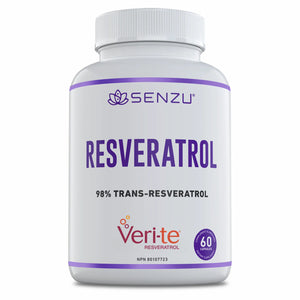
The product is standardized to contain a specific percentage of trans-resveratrol (e.g., "98% trans-resveratrol")
-
The company offers third-party testing or quality certifications
Avoid products that don't specify the form or leave out information about purity and sourcing. These may contain lower concentrations of trans-resveratrol or include degraded cis-resveratrol.
What About Natural Food Sources?
Red wine, grapes, and berries contain both trans and cis-resveratrol, though trans-resveratrol dominates in fresh foods. However, the actual content is small—just 0.2 to 2 mg per glass of red wine, for example.
To get therapeutic levels (often 100 to 500 mg per day) as used in research, supplementation is usually necessary.
Are There Any Benefits to Cis-Resveratrol?
At this time, cis-resveratrol is not considered beneficial on its own, largely due to:
-
Lower bioavailability
-
Reduced biological activity
-
Lack of human studies
While it may retain some antioxidant properties, the available evidence overwhelmingly favors trans-resveratrol as the form that delivers meaningful health effects.
Key Takeaways
-
Trans-resveratrol is the bioactive, well-researched form that supports longevity, heart health, and cellular resilience.
-
Cis-resveratrol is a less active byproduct formed when trans-resveratrol degrades due to light or heat.
-
Always choose supplements that specifically list "trans-resveratrol" and use proper packaging to preserve potency.
-
Proper storage and handling are critical for maintaining the effectiveness of resveratrol supplements.
Conclusion: Form Matters More Than You Think
If you're investing in resveratrol for its anti-aging or health-supporting properties, the form you choose is crucial. Trans-resveratrol is the form that appears in most clinical research and delivers the majority of known benefits. Choosing a high-quality product that preserves this form ensures you're getting the most from your supplement.

Not all resveratrol supplements are created equal. While most resveratrol products on the market come with a hidden cost - contamination from harmful substances like pesticides, heavy metals, and toxic compounds - Senzu's Resveratrol sets a new standard for purity and safety.
Senzu's Resveratrol features patented Veri-te Resveratrol, produced through an innovative yeast fermentation process that eliminates contamination at the source. This breakthrough technology creates pure, bioactive resveratrol without the environmental toxins that plague traditional extraction methods.


Subscribe & Save
How subscriptions work
- 15% off all recurring orders
- Free shipping, always
- Easily swap products, skip deliveries
- Cancel anytime
Featured product