The Ultimate Guide to Sustainable Weight Loss in 2026

Weight loss is one of the most common health goals, yet it's also one of the most challenging to achieve and maintain. If you've tried diet after diet only to regain the weight, you're not alone. Research shows that 95% of diets fail, and most people regain lost weight within one to five years. The problem isn't willpower or motivation – it's the approach.

Sustainable weight loss isn't about finding the perfect diet or following the latest trend. It's about creating lasting lifestyle changes that support your body's natural ability to maintain a healthy weight. In 2026, it's time to move beyond quick fixes and embrace strategies that work for the long term.
This comprehensive guide will walk you through evidence-based approaches to weight loss that focus on sustainability, health, and real-world practicality. You'll learn how to create habits that stick, avoid common pitfalls, and build a lifestyle that naturally supports your ideal weight.
Understanding Sustainable Weight Loss
Sustainable weight loss means losing weight in a way that you can maintain for life without feeling deprived, exhausted, or constantly battling cravings. It's about creating a lifestyle that naturally supports a healthy weight rather than forcing your body into submission through extreme measures.
The Science of Sustainable Loss
Your body has complex systems that regulate weight, including hormones like leptin (which signals fullness) and ghrelin (which signals hunger). Extreme diets disrupt these systems, often leading to increased hunger, slower metabolism, and eventual weight regain.
Sustainable approaches work with your body's natural systems rather than against them. This means moderate calorie deficits, adequate nutrition, and lifestyle changes that support long-term success.
Why Slow and Steady Wins
Research consistently shows that people who lose weight gradually (1-2 pounds per week) are more likely to keep it off compared to those who lose weight rapidly. Slow weight loss allows your body to adjust gradually, preserves muscle mass, and gives you time to develop the habits that will maintain your new weight.
Building the Foundation: Mindset and Goals
Before diving into specific strategies, it's crucial to establish the right mindset and set appropriate goals that will support long-term success.
Shifting from Diet Mentality to Lifestyle Change
The diet mentality focuses on temporary restrictions to achieve quick results. The lifestyle mentality focuses on permanent changes that improve overall health and naturally result in weight loss. This shift in thinking is fundamental to sustainable success.
Instead of asking "What diet should I follow?" ask "What changes can I make to my lifestyle that I can maintain forever?" This reframing helps you choose strategies that are sustainable rather than just effective in the short term.
Setting SMART Goals
Effective weight loss goals are Specific, Measurable, Achievable, Relevant, and Time-bound. Instead of "I want to lose weight," try "I want to lose 20 pounds over the next 6 months by exercising 4 times per week and eating vegetables with every meal."
Focus on process goals (behaviors you can control) rather than just outcome goals (results you want to achieve). For example, "I will meal prep every Sunday" is more actionable than "I will lose 5 pounds this month."
Developing a Growth Mindset
View setbacks as learning opportunities rather than failures. Every challenge you face is data that helps you refine your approach. This mindset helps you stay motivated during difficult periods and prevents all-or-nothing thinking that derails many weight loss efforts.
Nutrition Strategies for Long-Term Success
Sustainable weight loss nutrition isn't about following a specific diet – it's about developing eating patterns that you enjoy and can maintain for life.
The Calorie Balance Reality
Weight loss ultimately comes down to creating a calorie deficit – burning more calories than you consume. However, not all calories are created equal, and the quality of your food choices significantly impacts hunger, satisfaction, and metabolic health.
Focus on creating a moderate calorie deficit of 300-500 calories per day through a combination of diet and exercise. This typically results in 1-2 pounds of weight loss per week, which is optimal for sustainability.
Prioritizing Protein

Protein is the most important macronutrient for weight loss and maintenance. It increases satiety, preserves muscle mass during weight loss, and has a higher thermic effect (burns more calories to digest) compared to carbs and fats.
Aim for 0.8-1.2 grams of protein per pound of body weight daily. Include protein sources like lean meats, fish, eggs, dairy, legumes, and protein powders in every meal and snack.
The Power of Whole Foods
Focus on minimally processed whole foods that provide maximum nutrition and satiety per calorie. These foods naturally help regulate appetite and provide the nutrients your body needs for optimal function.
Fill your plate with vegetables, fruits, lean proteins, whole grains, nuts, and seeds. These foods are naturally more filling and satisfying than processed alternatives, making it easier to maintain a calorie deficit without feeling deprived.
Meal Timing and Frequency
While meal timing isn't as important as total calorie intake, finding an eating schedule that works for your lifestyle and preferences can support adherence. Some people do well with three meals and two snacks, while others prefer intermittent fasting approaches.
Experiment with different eating patterns to find what helps you feel most satisfied and energized while maintaining your calorie goals.
Hydration and Weight Loss
Proper hydration supports weight loss in multiple ways. Water can increase feelings of fullness, especially when consumed before meals. Dehydration can also be mistaken for hunger, leading to unnecessary snacking.
Aim for half your body weight in ounces of water daily, and consider drinking a glass of water before each meal to help with portion control and satiety.
Exercise: Moving for Life, Not Just Weight Loss

Exercise is crucial for sustainable weight loss, but not just for the calories it burns. Regular physical activity improves mood, increases energy, preserves muscle mass, and provides numerous health benefits that support long-term success.
Strength Training: The Foundation
Resistance training is essential for preserving muscle mass during weight loss. Muscle tissue burns more calories at rest than fat tissue, so maintaining muscle helps keep your metabolism higher as you lose weight.

Aim for 2-3 strength training sessions per week, focusing on compound movements that work multiple muscle groups. You don't need a gym membership – bodyweight exercises, resistance bands, or dumbbells can be very effective.
Cardiovascular Exercise for Health
Cardio exercise supports heart health, improves endurance, and can help create a larger calorie deficit. However, it's not necessary to do hours of cardio for weight loss. Moderate amounts of enjoyable cardio activities are more sustainable than extreme exercise regimens.
Find activities you actually enjoy, whether that's dancing, hiking, swimming, or playing sports. The best exercise is the one you'll actually do consistently.
NEAT: Non-Exercise Activity Thermogenesis
NEAT refers to all the calories you burn through daily activities that aren't formal exercise. This includes walking, fidgeting, maintaining posture, and other daily movements.
Increasing NEAT can significantly impact your daily calorie burn. Take stairs instead of elevators, park farther away, have walking meetings, or do household chores with more energy. These small changes add up over time.
Recovery and Rest
Rest and recovery are just as important as the exercise itself. Adequate sleep, stress management, and allowing time for muscle recovery all support sustainable fitness habits and weight loss.
Aim for 7-9 hours of quality sleep per night, as poor sleep disrupts hormones that regulate hunger and satiety. Include rest days in your exercise routine to prevent burnout and injury.
Sleep and Stress: The Hidden Weight Loss Factors

Sleep and stress management are often overlooked aspects of weight loss, but they're crucial for sustainable success.
Sleep and Weight Regulation
Poor sleep disrupts hormones that control hunger and fullness. When you're sleep-deprived, your body produces more ghrelin (hunger hormone) and less leptin (fullness hormone), leading to increased appetite and cravings for high-calorie foods.
Prioritize sleep hygiene by maintaining consistent bedtimes, creating a relaxing bedtime routine, keeping your bedroom cool and dark, and limiting screen time before bed.
Stress and Cortisol
Chronic stress elevates cortisol levels, which can promote weight gain, particularly around the midsection. High cortisol also increases cravings for high-calorie comfort foods and can interfere with sleep quality.
Develop stress management techniques that work for you, such as meditation, deep breathing exercises, yoga, journaling, or spending time in nature. Regular stress management is essential for long-term weight maintenance.
Building Resilience
Life will always include stressful periods, so building resilience and coping strategies is crucial for maintaining healthy habits during challenging times. This might include having backup meal plans, quick exercise routines, or stress-relief techniques you can use anywhere.
Creating Sustainable Habits
Sustainable weight loss is built on habits – automatic behaviors that don't require constant willpower or decision-making.
The Habit Loop
Every habit consists of a cue (trigger), routine (behavior), and reward (benefit). Understanding this loop helps you create new healthy habits and modify existing ones.
For example, if you want to develop a habit of eating more vegetables, you might use the cue of opening your refrigerator to trigger the routine of grabbing a pre-cut vegetable, with the reward of feeling good about making a healthy choice.
Starting Small
Begin with tiny habits that are almost impossible to fail at. Instead of committing to hour-long workouts, start with five minutes of movement daily. Instead of overhauling your entire diet, add one vegetable to each meal.
Small habits build momentum and confidence while establishing neural pathways that make larger changes easier over time.
Habit Stacking
Link new habits to existing ones to make them more likely to stick. For example, "After I brush my teeth, I will do 10 squats" or "After I pour my morning coffee, I will take my vitamins."
This technique uses existing habits as anchors for new behaviors, making them easier to remember and implement.
Environmental Design
Make healthy choices the easy choices by designing your environment to support your goals. Keep healthy snacks visible and accessible, prep workout clothes the night before, and remove tempting foods from easy reach.
Your environment should guide you toward healthy behaviors without requiring constant willpower or decision-making.
Overcoming Common Obstacles
Every weight loss journey includes challenges and setbacks. Preparing for these obstacles helps you navigate them without derailing your progress.
Plateaus and Stalls
Weight loss plateaus are normal and expected. As you lose weight, your body requires fewer calories, and your metabolism may slow slightly. This doesn't mean your approach isn't working – it means you may need to make adjustments.
When you hit a plateau, consider slightly reducing calories, changing your exercise routine, or taking a diet break to allow your metabolism to recover.
Social Situations and Food Pressure
Social events, holidays, and family gatherings can challenge your healthy eating habits. Plan ahead by eating something healthy before events, bringing a dish you know fits your goals, and focusing on the social aspects rather than the food.
Practice polite ways to decline food offers, and remember that you don't owe anyone an explanation for your food choices.
All-or-Nothing Thinking
Perfectionist thinking is one of the biggest obstacles to sustainable weight loss. One "bad" meal or missed workout doesn't ruin your progress. What matters is getting back on track with your next choice.
Develop a "good enough" mentality that allows for flexibility and imperfection while maintaining overall consistency with your healthy habits.
Emotional Eating
Many people use food to cope with emotions like stress, boredom, sadness, or celebration. Developing alternative coping strategies is crucial for long-term success.
Practice identifying emotions before eating, and develop a toolkit of non-food activities that provide comfort or stress relief, such as calling a friend, taking a bath, or going for a walk.
The Role of Supplements in Sustainable Weight Loss
While supplements should never replace a healthy diet and exercise routine, certain supplements may provide additional support for weight loss when used as part of a comprehensive approach. It's important to understand that supplements are tools to support your efforts, not magic solutions.
Apple Cider Vinegar: Metabolic Support
Apple cider vinegar (ACV) has gained popularity as a weight loss aid, and research suggests it may offer modest benefits for weight management and metabolic health.
How Apple Cider Vinegar May Help:
Studies indicate that acetic acid, the main component of apple cider vinegar, may help with weight loss through several mechanisms. Research shows that taking ACV before meals can help slow the absorption of carbohydrates, leading to more stable blood sugar levels and reduced post-meal glucose spikes.
One study found that participants who consumed apple cider vinegar daily lost more weight and had smaller waist circumferences compared to a control group. The acetic acid appears to increase feelings of fullness, potentially leading to reduced calorie intake throughout the day.
ACV may also support fat metabolism and help reduce fat storage, particularly visceral fat around the midsection. Some research suggests it can improve insulin sensitivity, which is important for weight management and overall metabolic health.
Practical Use:
If using liquid apple cider vinegar, start with 1-2 teaspoons diluted in a large glass of water, taken 15-30 minutes before meals. Always dilute ACV to protect tooth enamel and prevent stomach irritation. Look for raw, unfiltered versions that contain the "mother" for maximum benefits.
For those who find the taste unpalatable, apple cider vinegar supplements or gummies can provide similar benefits in a more convenient form.
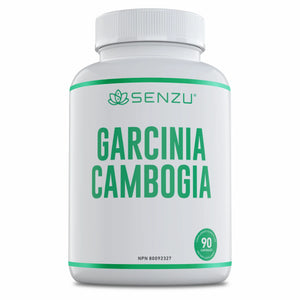
Garcinia Cambogia: Appetite and Fat Production Support
Garcinia Cambogia is a tropical fruit extract that has been studied for its potential weight loss benefits, particularly its effects on appetite and fat production.
How Garcinia Cambogia May Help:
The active compound in Garcinia Cambogia is hydroxycitric acid (HCA), which may help with weight loss through two main mechanisms. First, HCA appears to inhibit an enzyme called citrate lyase, which the body uses to convert carbohydrates into fat. This may help reduce fat production and storage.
Second, some studies suggest that HCA may help suppress appetite by increasing levels of serotonin, a neurotransmitter that affects mood and appetite. Higher serotonin levels may lead to reduced cravings and emotional eating.
Research on Garcinia Cambogia has shown mixed results, with some studies demonstrating modest weight loss benefits while others show minimal effects. The most promising results have been seen when combined with a reduced-calorie diet and regular exercise.
Practical Use:
Garcinia Cambogia supplements typically contain 50-60% HCA and are usually taken 30-60 minutes before meals. The recommended dosage varies, but most studies have used 1.5-3 grams daily, divided into doses before meals.
Look for supplements that specify the HCA content and avoid products with excessive fillers or additives. As with any supplement, consistency is key for potential benefits.
Berberine: Metabolic and Blood Sugar Support

Berberine is a bioactive compound extracted from several plants that has shown impressive results for metabolic health and weight management in clinical studies.
How Berberine May Help:
Berberine works by activating an enzyme called AMPK (adenosine monophosphate-activated protein kinase), often referred to as the body's "metabolic master switch." This activation helps improve insulin sensitivity, supports healthy blood sugar levels, and may enhance fat burning.
Studies have shown that berberine can be as effective as some prescription medications for supporting healthy blood sugar levels. This blood sugar stabilization can help reduce cravings, prevent energy crashes, and support consistent energy levels throughout the day.
Research indicates that berberine supplementation may lead to modest but significant weight loss, with participants in studies losing an average of 3-5 pounds over 12 weeks. More importantly, berberine appears to specifically target visceral fat, the dangerous abdominal fat that surrounds organs.
Berberine may also support healthy cholesterol levels and cardiovascular health, providing additional benefits beyond weight management.
Practical Use:
Berberine is typically taken in doses of 500mg, 2-3 times daily, preferably 30 minutes before meals. This timing helps maximize its effects on blood sugar and metabolism.
Start with a lower dose to assess tolerance, as some people may experience mild digestive upset when first beginning berberine supplementation. Taking it with food can help minimize any stomach discomfort.
Tracking Progress Beyond the Scale
The scale is just one measure of progress, and it's often not the most accurate or motivating indicator of success.
Body Composition Changes
As you lose fat and potentially gain muscle through strength training, your body composition improves even if the scale doesn't move dramatically. Take body measurements, progress photos, and note how your clothes fit.
Health Improvements
Track improvements in energy levels, sleep quality, mood, strength, endurance, and other health markers. These changes often occur before significant weight loss and are important indicators of success.
Habit Consistency
Monitor your consistency with healthy habits rather than just focusing on outcomes. Tracking behaviors like daily vegetable intake, workout frequency, or sleep hours helps you identify patterns and areas for improvement.
Performance Metrics
Notice improvements in physical performance, such as being able to climb stairs without getting winded, lifting heavier weights, or having more energy throughout the day.
Building Your Support System
Sustainable weight loss is easier with support from others who understand your goals and challenges.
Professional Support
Consider working with qualified professionals such as registered dietitians, personal trainers, or therapists who specialize in behavior change. Professional guidance can help you navigate challenges and optimize your approach.
Social Support
Share your goals with friends and family members who will support your efforts. Consider joining weight loss groups, online communities, or fitness classes where you can connect with others on similar journeys.
Accountability Partners
Find someone who shares similar goals or is willing to help keep you accountable. This might be a workout buddy, a friend who checks in on your progress, or a family member who supports your healthy meal planning.
Maintaining Your Success
Weight maintenance is often more challenging than initial weight loss, but the strategies that help you lose weight sustainably are the same ones that help you maintain your success.
Continuing Healthy Habits
The habits that helped you lose weight need to become permanent lifestyle changes. This is why choosing sustainable strategies from the beginning is so important.
Regular Monitoring
Continue tracking your weight, measurements, and habits even after reaching your goal. This helps you catch small gains before they become large ones and maintain awareness of your behaviors.
Flexibility and Adaptation
Your needs may change over time due to aging, life circumstances, or other factors. Be prepared to adapt your approach while maintaining the core principles that support healthy weight management.
Celebrating Non-Scale Victories
Continue celebrating improvements in health, fitness, energy, and quality of life rather than focusing solely on maintaining a specific number on the scale.
Creating Your Personal Action Plan

Sustainable weight loss requires a personalized approach that fits your lifestyle, preferences, and circumstances.
Assessment and Goal Setting
Start by honestly assessing your current habits, identifying areas for improvement, and setting realistic, specific goals for the next 3-6 months.
Gradual Implementation
Choose 2-3 strategies to focus on initially rather than trying to change everything at once. Master these changes before adding new ones.
Regular Review and Adjustment
Schedule weekly or monthly check-ins to review your progress, celebrate successes, and adjust strategies that aren't working well.
Long-Term Perspective
Remember that sustainable weight loss is a long-term process that extends far beyond reaching your goal weight. Focus on building a lifestyle that supports your health and happiness for life.
The Bottom Line
Sustainable weight loss in 2026 isn't about finding the perfect diet or exercise program – it's about creating a lifestyle that naturally supports a healthy weight while enhancing your overall quality of life. The strategies outlined in this guide focus on gradual, sustainable changes that work with your body's natural systems rather than against them.
Success comes from consistency with healthy habits over time, not perfection in the short term. By focusing on whole foods, regular movement, adequate sleep, stress management, and gradual behavior change, you can achieve and maintain weight loss without the cycle of restriction and regain that characterizes most diets.
Supplements like apple cider vinegar, Garcinia Cambogia, and berberine may provide additional support for your efforts, but they work best when combined with fundamental lifestyle changes. Remember that sustainable weight loss is a journey, not a destination, and the habits you build along the way will serve your health and happiness for life.
The key to success in 2026 is choosing an approach you can maintain forever, being patient with the process, and focusing on progress rather than perfection. Your future self will thank you for taking the sustainable path to lasting weight loss and improved health.


Subscribe & Save
How subscriptions work
- 15% off all recurring orders
- Free shipping, always
- Easily swap products, skip deliveries
- Cancel anytime
Featured product